EDULYTICS
Background
History of the Portuguese Education System
Overview
Portugal’s educational landscape has undergone significant transformations, reflecting broader societal shifts and policy reforms. In the early 20th century, illiteracy was pervasive, with over 80% of the population unable to read or write. The First Republic made modest strides in education, increasing literacy among children aged 7 to 14, from 26% in 1911 to 33% in 1930. However, it was during the Estado Novo regime (1933–1974) under António de Oliveira Salazar where more substantial progress occurred. By 1940, literacy in the same age group rose to 56%, reaching 97% by 1960. This period also saw the expansion of elementary schools from 7,000 in 1927 to 10,000 in 1940.
Policy Reforms and Funding
The Estado Novo era introduced several educational reforms. In 1936, the Ministry of National Education was established, accompanied by the creation of the National Board of Education to oversee educational and cultural matters. Initiatives like the Mocidade Portuguesa aimed to promote physical development and nationalistic values among youth. The Plan of the Centennials, approved in 1939, sought to build schools tailored to regional characteristics, although its implementation was delayed due to World War II. Post-Carnation Revolution (1974), Portugal endeavored to democratize education. The 1980s witnessed the real democratization of education, especially in secondary and higher education. Programs like the “New Opportunities” initiative aimed to address adult illiteracy and promote lifelong learning.
Curriculum Changes and Socioeconomic Factors
Curricular reforms have been integral to Portugal’s educational evolution. The 2000s saw the implementation of the Bologna Process, aligning Portuguese higher education with European standards. Efforts to modernize curricula included the introduction of vocational training and technological education programs, catering to diverse student needs and labor market demands. Socioeconomic factors have profoundly influenced educational outcomes. Historically, higher education was reserved for a small percentage of the population, with access largely determined by socioeconomic status. The expansion of education in the mid-20th century aimed to address these disparities, yet challenges persisted. For instance, the rural-urban divide impacted access to quality education, with rural areas often lacking adequate infrastructure.

The Portuguese Education in our Dataset
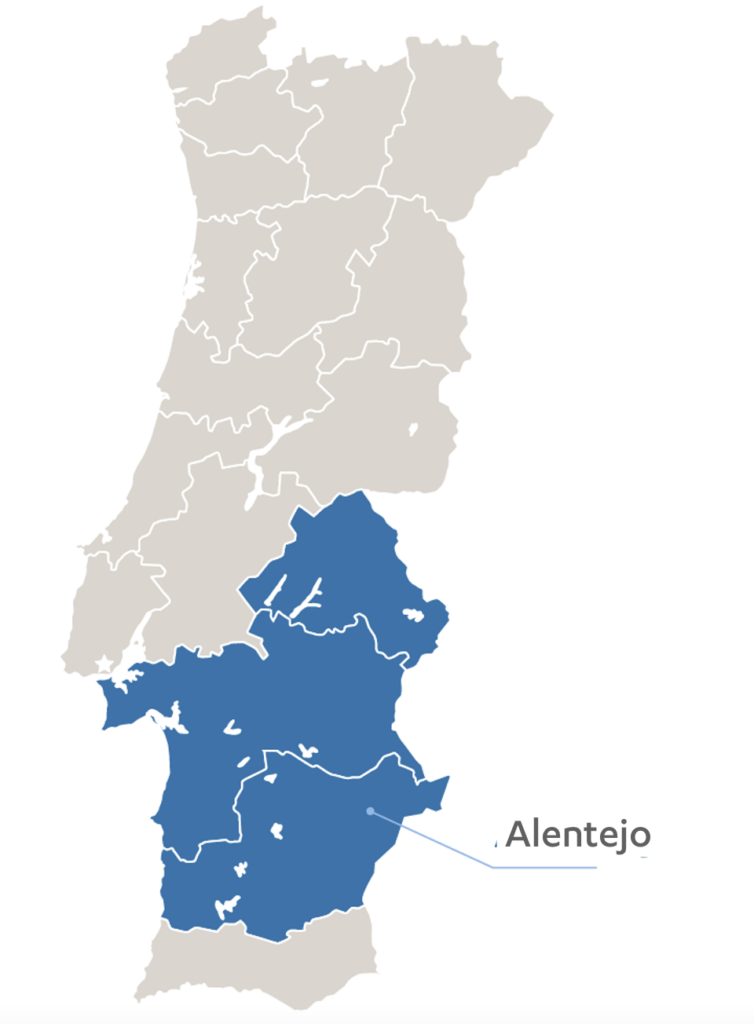
Understanding this historical and socioeconomic context is crucial for analyzing the student performance dataset from the two Portuguese schools. It is particularly relevant as both schools in the dataset are located in Alentejo – an rural area with low population density and a growing aging population. This geographic scope may skew some of the academic outcomes in our dataset.
Other factors captured in our dataset such as parental education levels, family size, and urban versus rural residence are deeply rooted in Portugal’s educational evolution. For instance, the emphasis on expanding education in the mid-20th century likely influenced parental education levels, which in turn affected student performance.
By examining these variables within their historical and cultural framework, this project can provide nuanced insights into the socioeconomic factors influencing academic performance in Portugal.
View our Dataset on Portuguese Education
Edulytics